

How Is Liposculpture in Islamabad Different From Traditional Liposuction?
Liposuction and liposculpture are closely related procedures, and the terms can sometimes be used interchangeably.High Definition Liposculpture in Islamabadgenerally emphasizes the artistic and contour-focused side of localized fat removal, where the objective is to refine proportions rather than simply remove a quantity of fat. The difference is therefore often more about treatment philosophy and contour planning than completely separate surgical technology.
The Basic Similarity
Both approaches involve removing unwanted fat from selected areas using surgical techniques. A cannula can be introduced through small access points, allowing the surgeon to remove fat from beneath the skin.
Because the underlying method can overlap, it is not accurate to assume that liposculpture and liposuction are always completely different operations. The terminology can vary between surgeons and clinics.
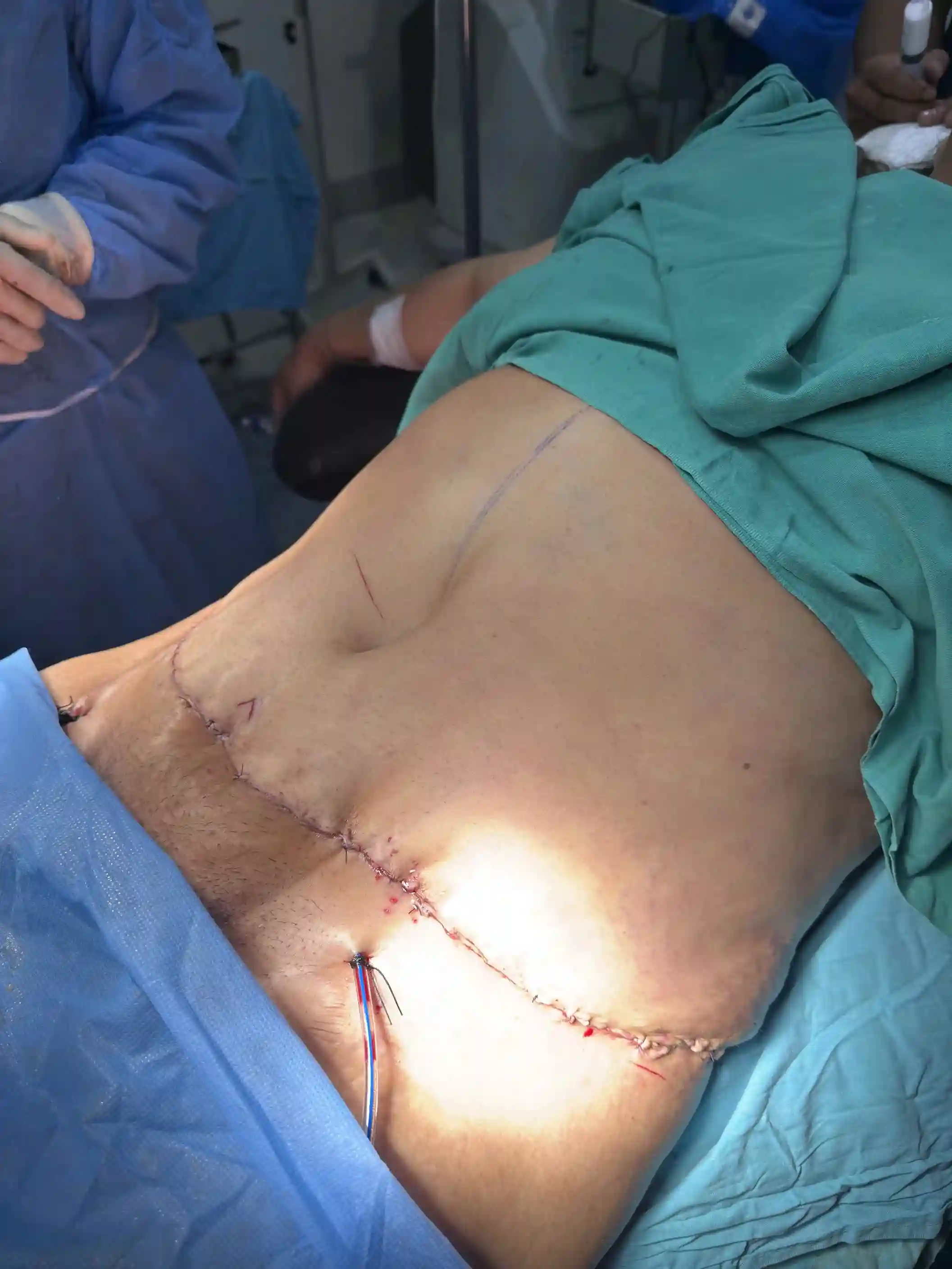
Where the Emphasis Changes
Traditional liposuction is often discussed in terms of reducing localized fat volume. Liposculpture places stronger emphasis on shaping the treated area and creating smoother transitions.
For example, if someone is concerned about fullness around the waist, the surgeon may consider not only the amount of fat in that region but also how the waist connects visually with the abdomen, hips, and back. The goal becomes an overall contour rather than an isolated reduction.
Why Contouring Requires Precision
Removing fat unevenly can create visible depressions or irregularities. Body contouring therefore requires an understanding of natural anatomy and careful control of fat removal.
The surgeon may work at different levels and in different directions depending on the area. The exact approach depends on the individual's anatomy, tissue characteristics, and desired result.
Does Liposculpture Mean More Fat Is Removed?
Not necessarily. More removal does not automatically mean better shaping. In fact, aggressive fat removal can create problems if the tissue does not heal evenly or if the remaining contour becomes irregular.
A contour-focused approach is more concerned with proportion, symmetry, and smooth transitions.
The Role of Skin Quality
Skin elasticity can influence both liposuction and liposculpture results. If the skin cannot contract sufficiently after fat removal, loose skin may remain.
This is why a consultation should examine the skin as well as the fat. In some cases, another procedure or a different treatment strategy may be more appropriate.
How the Consultation Helps
A surgeon may examine the front, sides, and back of the body rather than viewing the target area from only one direction. Marking may be performed before surgery to indicate areas where fat should be removed and where transitions should remain smooth.
Patients should also bring up their priorities. One person may want a narrower waist, while another may primarily want improvement around the abdomen or thighs.
Recovery Considerations
Recovery depends on the amount and location of fat treated rather than simply on the terminology used for the procedure. Swelling, bruising, tenderness, and temporary numbness can occur.
Compression garments may be recommended, and activity restrictions should be followed according to the surgeon's instructions. The early appearance is not necessarily the final contour.
Conclusion
Liposculpture and liposuction share important technical similarities, but liposculpture commonly places greater emphasis on detailed body shaping and proportional contouring. The exact distinction depends on the surgeon and the treatment plan. Anyone considering either procedure should focus on the proposed technique, expected outcome, risks, and recovery rather than relying only on the name of the procedure.