

Restoring Hair Confidence with FUE in Islamabad at Glamorous
Hair loss affects far more than appearance. It can influence how a person feels in professional settings, social gatherings, and even in front of the mirror each morning. Many men and women look for lasting solutions that restore both density and self-assurance. For those exploring a FUE Hair Transplant in Islamabad, understanding how the procedure works and what to expect is the first step toward a confident decision. Follicular Unit Extraction, commonly known as FUE, has become one of the most widely discussed hair restoration techniques in modern aesthetic care. It is valued for its precision, its minimal visible scarring, and its natural-looking results when performed by experienced professionals. This article explains the procedure, its suitability, the recovery process, and the factors that matter when choosing a clinic.
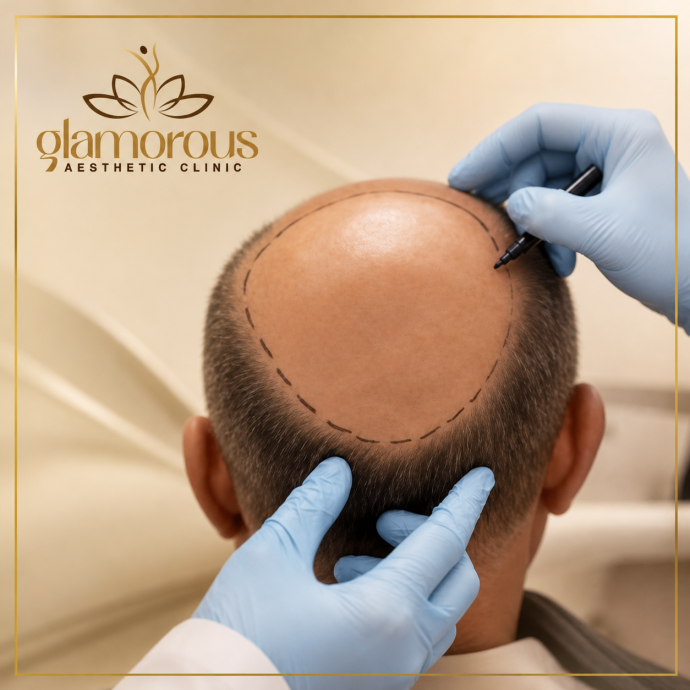
Understanding Hair Loss
Hair loss has many causes. Genetics is the most common, producing patterns often described as male or female pattern hair loss. Hormonal changes, stress, nutritional deficiencies, medical conditions, certain medications, and styling habits can also contribute. Because causes differ, a proper assessment is essential before any treatment is recommended.Some types of hair loss respond well to medical therapies or lifestyle adjustments, while others may be better addressed through surgical restoration. A qualified specialist can distinguish between these situations and advise accordingly, which helps patients avoid unnecessary or unsuitable procedures.
What Is FUE Hair Transplant?
FUE is a surgical technique in which individual hair follicles are removed from a donor area, usually the back or sides of the scalp, where hair is generally more resistant to thinning. These follicles are then carefully placed into areas with reduced density or bald patches.Unlike older methods that required removing a strip of scalp, FUE extracts follicles one at a time using a fine, specialized instrument. This approach leaves tiny, dispersed marks that are usually difficult to notice once the hair grows back. It also allows patients to wear shorter hairstyles without obvious linear scarring.
Why Many Patients Prefer FUE?
Several features make FUE attractive to patients considering hair restoration. The absence of a long linear scar is often a primary reason. Recovery is typically more comfortable than with older surgical approaches, and many patients return to light daily activities within a short period, although this varies between individuals.FUE also offers flexibility. It can be used to restore a receding hairline, add density to thinning areas, rebuild the crown, and in some cases refine eyebrows or beard areas. Because follicles are transplanted individually, the direction, angle, and spacing can be planned to mimic natural growth patterns.
Who Is a Suitable Candidate?
Suitability depends on several factors, including the stability of hair loss, the quality and availability of donor hair, overall health, and realistic expectations. People with sufficient donor density are generally better candidates, while those with very limited donor supply may need alternative or combined approaches.Age can also matter. Younger patients whose hair loss is still progressing may be advised to stabilize their condition with medical therapy before considering surgery. A specialist will weigh these considerations and recommend a timeline that supports long-term results rather than short-term satisfaction.
The Procedure Step by Step
On the day of treatment, the area is cleaned and local anesthesia is administered so that the patient remains comfortable. The donor area is prepared, and follicles are extracted individually. After extraction, they are sorted and kept in a suitable solution until placement.The recipient area is then prepared with tiny incisions, designed carefully to control angle, direction, and density. The extracted follicles are placed one by one. Depending on the number of grafts, the procedure may take several hours, and breaks are usually provided. Patients are given clear instructions before leaving.
Recovery and Aftercare
Recovery is a gradual process. In the first days, mild redness, swelling, or small scabs may appear in treated areas. These usually settle within a couple of weeks. Patients are advised to follow aftercare instructions closely, including how to wash the scalp, which activities to avoid, and how to protect the area from sun exposure.Transplanted hairs often shed within the first few weeks. This is a normal part of the cycle and does not mean the procedure has failed. New growth typically begins after a few months and continues to improve over the following year. Patience is important, since final results develop slowly.
Setting Realistic Expectations
Hair transplantation can improve density and restore a natural-looking hairline, but outcomes depend on individual factors such as donor quality, hair texture, skin characteristics, and aftercare. No responsible provider can promise a specific result, and patients should be cautious about anyone who does.It is also important to understand that existing, non-transplanted hair may continue to thin over time. In some cases, ongoing medical treatment is recommended to maintain overall density. A candid discussion during consultation helps patients plan for the long term.
Choosing the Right Clinic
The skill of the team performing the procedure strongly influences results. Patients should look for qualified practitioners, a hygienic and well-equipped environment, transparent communication, and clear explanations about costs, graft numbers, and follow-up care. Reviewing before-and-after results and asking direct questions about experience can also be helpful.A good clinic encourages questions, explains limitations honestly, and does not rush decisions. It should treat each patient as an individual, with a plan designed around their hair pattern, goals, and health background.
Lifestyle Habits That Support Hair Health
Healthy habits can support the results of any hair restoration plan. A balanced diet with adequate protein, iron, and essential vitamins contributes to hair strength. Managing stress, sleeping well, avoiding harsh styling practices, and not smoking all play a role in scalp and hair health.Patients are also encouraged to follow their practitioner’s advice on medications or supplements, since some products suit certain individuals better than others. Consistent care before and after the procedure supports a smoother recovery and better long-term outcomes.
The Emotional Side of Hair Restoration
For many people, regaining hair is about more than appearance. A fuller hairline can improve comfort in photographs, meetings, and social settings, and many patients report feeling more at ease with their image. At the same time, emotional readiness matters. Patients who approach the process with patience, realistic goals, and trust in their care team are generally more satisfied with the journey.
Conclusion
FUE is a refined and widely respected approach to hair restoration, offering natural-looking results with minimal visible scarring when performed by skilled professionals. The best outcomes come from proper assessment, honest communication, careful planning, and consistent aftercare. Anyone considering a FUE Hair Transplant in Islamabad should begin with a thorough consultation and choose a team that values safety and transparency.Ready to take the next step toward restoring your hair confidence? Contact us at https://www.glamorousclinic.com.pk/ to arrange your consultation.