

Advanced Hair Restoration Treatments for Thinning Hair at Glamorous
Thinning hair affects people of all ages and backgrounds, and it often brings concerns about appearance, confidence, and long-term hair health. Fortunately, modern medicine and aesthetic care now offer a wider range of solutions than ever before. Choosing the right approach begins with understanding the cause of hair loss and the options available. For those considering a Hair Transplant in Islamabad , a thorough consultation and an honest discussion of expectations are essential first steps toward a sound decision.
Understanding Why Hair Thins
Hair thinning rarely has a single cause. The most common reason is genetic pattern hair loss, which affects both men and women and typically progresses gradually. In men, it often appears as a receding hairline or thinning at the crown. In women, it more often shows up as diffuse thinning across the top of the scalp, with the hairline usually preserved.Other contributors include hormonal changes, nutritional deficiencies, thyroid conditions, certain medications, high stress, illness, and childbirth. Some conditions cause temporary shedding that resolves on its own, while others lead to permanent follicle miniaturization. Because the causes differ so much, accurate diagnosis matters. A treatment that suits one person may be unnecessary or ineffective for another.
The Importance of a Proper Assessment
A professional assessment begins with a detailed conversation about when the thinning started, how quickly it has progressed, family history, diet, medications, and overall health. The practitioner then examines the scalp and hair, often using magnified imaging to evaluate follicle density, hair thickness, and scalp condition.In some cases, blood tests are recommended to rule out underlying issues such as iron deficiency or thyroid imbalance. Identifying a treatable medical cause can sometimes improve hair health without any procedure. When hair loss is permanent and progressive, the assessment helps determine which advanced options are most appropriate and how the results might develop over time.
Medical Therapies as a Foundation
Many restoration plans begin with medical therapy. Topical and oral medications are among the most widely studied options for slowing hair loss and encouraging regrowth in suitable candidates. These treatments require consistency, and results typically take months to become visible. They also work best when started early, before follicles have become severely miniaturized.It is important to understand that medications generally maintain results only while they are used. A qualified practitioner will explain potential side effects, who should avoid certain treatments, and how progress will be monitored. Medical therapy is often combined with other procedures to support the overall outcome.
Platelet-Rich Plasma Therapy
Platelet-rich plasma therapy, commonly called PRP, uses a small sample of the patient’s own blood. The sample is processed to concentrate the platelets, which contain growth factors, and the resulting plasma is injected into areas of thinning on the scalp. The goal is to support follicle health and encourage stronger growth.PRP is often considered for early to moderate thinning, and it may also be used alongside other treatments. Most plans involve a series of sessions spaced several weeks apart, followed by maintenance visits. Research continues to develop, and responses vary between individuals, so realistic expectations are important. A practitioner can explain whether PRP is likely to suit a particular pattern of hair loss.
Hair Transplant Techniques
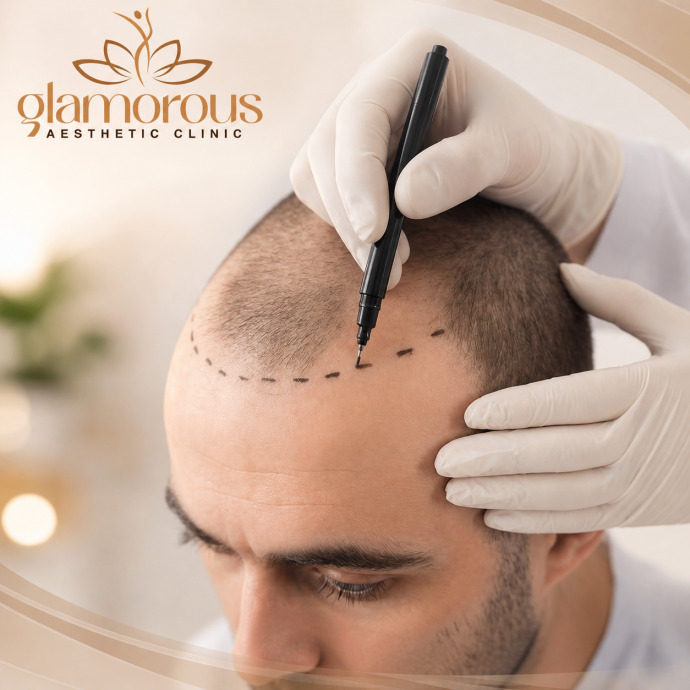
For permanent, progressive hair loss, hair transplantation is widely regarded as one of the most established restoration methods. The procedure involves moving healthy follicles from a donor area, usually the back or sides of the scalp where hair is more resistant to loss, to thinning or bald areas. Because the transplanted follicles retain their original characteristics, they typically continue to grow in their new location.Two techniques are commonly used. Follicular unit extraction removes individual follicular units one at a time, avoiding a linear scar and often allowing shorter hair to be worn afterward. Follicular unit transplantation involves removing a strip of scalp from the donor area, which is then dissected into grafts. Each method has advantages, and the right choice depends on the amount of coverage needed, donor hair availability, hair type, and patient preference.The skill of the surgical team is critical. Graft placement, angle, direction, and density all influence how natural the final result looks. A careful design of the hairline, in particular, is essential for a believable outcome.
Who Is a Good Candidate?
Suitability depends on several factors. Good candidates usually have enough healthy donor hair, stable or well-managed hair loss, and realistic expectations. Younger patients with rapidly progressing loss may be advised to stabilize the condition with medical therapy before considering surgery, since future thinning can alter the long-term appearance of the transplanted area.Patients with limited donor hair, certain scalp conditions, or specific medical concerns may need alternative approaches or additional evaluation. An honest practitioner will say so clearly, rather than recommend a procedure that is unlikely to deliver satisfying results.
Planning the Procedure
Once a transplant is considered suitable, planning begins with discussing goals and designing a hairline that fits the patient’s face, age, and likely future hair loss pattern. The team estimates how many grafts may be required and explains what coverage is realistic. In some cases, more than one session may be needed to achieve the desired density.Patients receive preparation instructions before the procedure, which may include guidance on medications, smoking, alcohol, and scalp care. Clear communication about the day itself, including duration, anesthesia, and aftercare, helps reduce anxiety and supports a smoother experience.
Recovery and Aftercare
Recovery varies, but most patients can expect some redness, swelling, or scabbing in the first days after a procedure. Following the aftercare plan carefully is important. This usually includes instructions on washing, sleeping position, avoiding strenuous activity, and protecting the scalp from sun exposure.Transplanted hairs often shed within the first few weeks, which is a normal part of the cycle. New growth typically begins in the following months, and gradual improvement continues over the course of a year or more. Patience is essential, and regular follow-up allows the practitioner to monitor progress and address any concerns.
Supporting Hair Health Beyond Procedures
Advanced treatments work best alongside healthy habits. A balanced diet with adequate protein, iron, and vitamins supports hair growth. Managing stress, sleeping well, and avoiding harsh styling practices can also help preserve existing hair. Gentle hair care, minimal heat damage, and avoiding tight hairstyles reduce unnecessary strain on follicles.Patients should be cautious about products that promise rapid regrowth without evidence. A qualified professional can recommend what is worth using and what is likely to be a waste of time and money.
Choosing a Clinic
Selecting the right clinic is one of the most important decisions in any hair restoration journey. Patients should look for qualified practitioners, a clean and well-equipped environment, transparent communication, and clear information about costs and expected outcomes. Reviewing before-and-after results, asking about experience, and attending a consultation before committing are all sensible steps.A reputable clinic will encourage questions, avoid pressure, and offer realistic guidance. It will also explain potential risks, including the possibility that results vary or that additional sessions may be needed. Trust is built through openness, and patients should feel comfortable at every stage of the process.
Final Thoughts
Thinning hair can be distressing, but effective and well-established options are available. The best results usually come from accurate diagnosis, a personalized plan, and realistic expectations. Whether the solution involves medical therapy, PRP, a transplant procedure, or a combination, professional guidance is what turns a general idea into a plan that fits the individual.Anyone considering restoration should begin with a consultation, ask detailed questions, and choose a clinic that values safety, transparency, and long-term outcomes. With careful planning and patience, many people find that modern hair restoration helps them feel more confident and comfortable with their appearance.