

Understanding the Functional and Aesthetic Goals of Labiaplasty
Every woman deserves to feel comfortable and confident in her body, including when it comes to intimate health and appearance. However, variations in the size, shape, and symmetry of the labia can sometimes cause physical discomfort or personal concerns.Labiaplasty Surgery in Dubai is a procedure that may help women address these concerns by reshaping or reducing the labia according to their individual needs and goals. Understanding the functional and aesthetic purposes of this procedure can help women make informed decisions about their intimate wellness and explore whether surgery is an appropriate option for them.
What Is Labiaplasty Surgery?
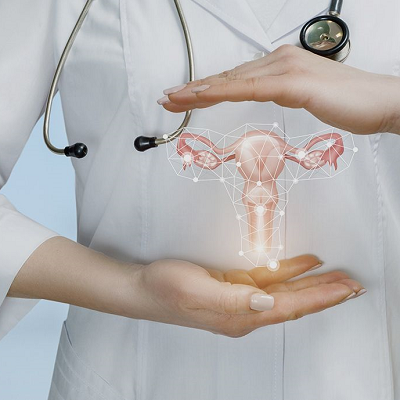
Labiaplasty is a surgical procedure that involves changing the size or shape of the labia, particularly the labia minora, which are the inner folds of skin surrounding the vaginal opening. Some women naturally have larger or asymmetrical labia, while others may notice changes due to ageing, hormonal influences, childbirth, or natural anatomical development. These variations are normal and do not necessarily indicate a medical problem. However, when the appearance or structure of the labia causes persistent discomfort or personal dissatisfaction, some women consider labiaplasty. The procedure is individually planned to address specific concerns while preserving healthy tissue and natural anatomical function.
Understanding the Functional Goals of Labiaplasty
One of the main reasons women consider labiaplasty is to address physical discomfort associated with enlarged or elongated labial tissue. In some situations, excess tissue may rub against clothing, create irritation during exercise, or cause discomfort while walking, cycling, or participating in other physical activities. These experiences can interfere with everyday routines and reduce personal comfort. The functional goal of labiaplasty is to address the anatomical factors contributing to these concerns. During a consultation, a qualified surgeon evaluates the patient's symptoms, anatomy, and expectations to determine whether surgery may provide meaningful benefits. Not every type of discomfort requires surgery, so an appropriate medical assessment is important.
Exploring the Aesthetic Goals of Labiaplasty
Aesthetic goals are another reason women explore labiaplasty. The natural appearance of the labia varies considerably, and there is no single appearance that is considered normal or ideal. Some women, however, may feel concerned about prominent tissue, asymmetry, or changes in appearance that affect their personal confidence. Labiaplasty can be designed to reduce or reshape selected areas of tissue according to an individual's preferences and anatomical characteristics. The objective is generally to achieve a balanced appearance while maintaining natural contours. A responsible surgical approach focuses on realistic expectations rather than attempting to create an identical appearance for every patient.
How Functional and Aesthetic Goals Work Together?
Functional and aesthetic concerns can sometimes overlap. For example, a woman may experience discomfort during exercise while also feeling self-conscious about the appearance of her labia. In these circumstances, she may wish to discuss both concerns during her consultation. A personalised treatment plan considers physical symptoms, anatomical structure, and aesthetic preferences together. The surgeon should explain which concerns may realistically be addressed through surgery and which may require alternative approaches. Maintaining sensitivity, natural appearance, and healthy tissue is essential when planning the procedure. A balanced approach helps ensure that the treatment decision is based on overall wellbeing rather than appearance alone.
Who May Consider Labiaplasty?
Women who experience persistent physical discomfort associated with labial tissue may consider discussing labiaplasty with a qualified specialist. Others may explore the procedure because of concerns about asymmetry, prominent labial tissue, or changes in appearance. Some women also seek information about treatment after childbirth or as part of their personal approach to intimate wellness. However, having naturally prominent or asymmetrical labia does not automatically mean surgery is necessary. The decision should be personal, voluntary, and based on realistic expectations. A medical consultation helps determine whether the procedure is suitable, taking into account overall health, medical history, symptoms, and individual circumstances.
What Happens During a Labiaplasty Consultation?
A consultation is an important part of the treatment journey because it allows the patient and surgeon to discuss expectations, concerns, and possible outcomes. The surgeon may ask about physical discomfort, previous medical procedures, general health, and the reasons for considering surgery. An appropriate examination may also be performed with the patient's informed consent to assess the anatomy and determine which surgical approach, if any, may be suitable. Patients should feel comfortable asking questions about the procedure, recovery, possible complications, and expected results. Clear communication helps establish realistic goals and ensures that the patient understands the benefits and limitations before making a decision.
Understanding Different Labiaplasty Techniques
Different surgical techniques may be used depending on the patient's anatomy and treatment goals. The trim technique involves removing a selected portion of the edge of the labia minora, while the wedge technique removes a small section of tissue while preserving the natural outer edge. The choice depends on several factors, including tissue characteristics, desired changes, and the surgeon's clinical assessment. Each technique has potential advantages and limitations. A qualified surgeon should explain the available approaches and recommend an appropriate method based on individual needs. The priority is to preserve healthy tissue, protect sensation, and avoid unnecessary alteration of the natural anatomy.
What to Expect During the Recovery Period?
Recovery is an important consideration when planning labiaplasty. Patients commonly experience temporary swelling, tenderness, bruising, and mild discomfort following surgery. These effects generally improve gradually, although the recovery experience varies between individuals. Following the surgeon's aftercare instructions is essential for supporting healing and reducing the risk of complications. Patients may need to limit strenuous exercise, avoid activities that create friction around the surgical area, and refrain from sexual activity until medically cleared. Keeping the area clean and attending scheduled follow-up appointments can also support recovery. The surgeon should provide individual guidance about wound care, hygiene, pain management, and returning to normal activities.
Potential Benefits and Risks of Labiaplasty
Labiaplasty may offer benefits for women whose enlarged or prominent labial tissue causes persistent physical discomfort. It may also help address specific aesthetic concerns and improve personal satisfaction with intimate appearance. However, surgery does not guarantee improved confidence or resolve every physical concern. Like other surgical procedures, labiaplasty carries potential risks, including bleeding, infection, scarring, changes in sensation, wound-healing problems, asymmetry, and persistent discomfort. In some cases, additional treatment may be required. Understanding these possibilities before surgery is essential. Patients should discuss their individual risk factors with their surgeon and make decisions based on balanced medical information.
Choosing the Right Specialist in Dubai
Choosing an appropriately qualified and experienced surgeon is an important part of the decision-making process. Women considering labiaplasty in Dubai should look for a specialist with relevant surgical qualifications, experience in intimate procedures, and a clear approach to patient safety. It is also important to choose a clinical environment that prioritises privacy, respectful communication, and informed consent. During consultations, patients should receive clear explanations of the proposed technique, expected recovery, possible complications, and realistic outcomes. A trustworthy specialist will answer questions honestly and will not pressure anyone into undergoing surgery.
Conclusion
Understanding the functional and aesthetic goals of labiaplasty helps women make informed decisions about their intimate health and personal wellbeing. While the procedure may address physical discomfort caused by prominent labial tissue and help achieve specific aesthetic preferences, every woman's anatomy and expectations are different. A personalised consultation with a qualified surgeon is essential to determine whether surgery is appropriate and to understand its potential benefits, limitations, and risks. Women considering Labiaplasty Surgery in Dubai should prioritise their health, comfort, safety, and realistic expectations throughout the treatment journey. With proper medical guidance, careful planning, and appropriate aftercare, patients can make decisions that support their individual needs and overall confidence.