

What Should You Expect During the First Week After Tummy Tuck in Islamabad?
The first week is the part of recovery that patients think about most, and the part they feel least prepared for. It is natural to wonder how much pain there will be, how you will move, sleep, and eat, and what is normal. Tummy Tuck in Islamabad involves a first week of rest, tightness, swelling, and gradual improvement, with a lot of small practical details that make the days easier. Knowing what to expect takes away much of the fear. This article walks through the first week day by day and explains how to stay comfortable and safe.
What Happens Immediately After Surgery?
When you wake up, you will be in a recovery area where the team monitors your breathing, blood pressure, and comfort. Your abdomen will be covered by a dressing and a compression garment, and small drains may be in place. You will feel groggy, sore, and tight, and you may feel nausea from the anaesthesia, which usually passes. The team will help you sit up and take your first steps, bent slightly forward. Depending on the plan, you may go home the same day or stay overnight. You will be given instructions, medicines, and a follow-up appointment before leaving.
What Do the First Three Days Feel Like?
Days one to three are usually the most uncomfortable. You can expect strong tightness across the abdomen, soreness, swelling, and bruising, and it may be hard to stand fully upright. Moving from lying to sitting takes effort, and a pillow under the knees helps. Pain is controlled with prescribed medicine, and it is important to take it as directed and not to wait until the pain is severe. You may feel tired and emotional, which is normal after major surgery. Rest is important, but short walks inside the house improve circulation and lower the risk of blood clots.
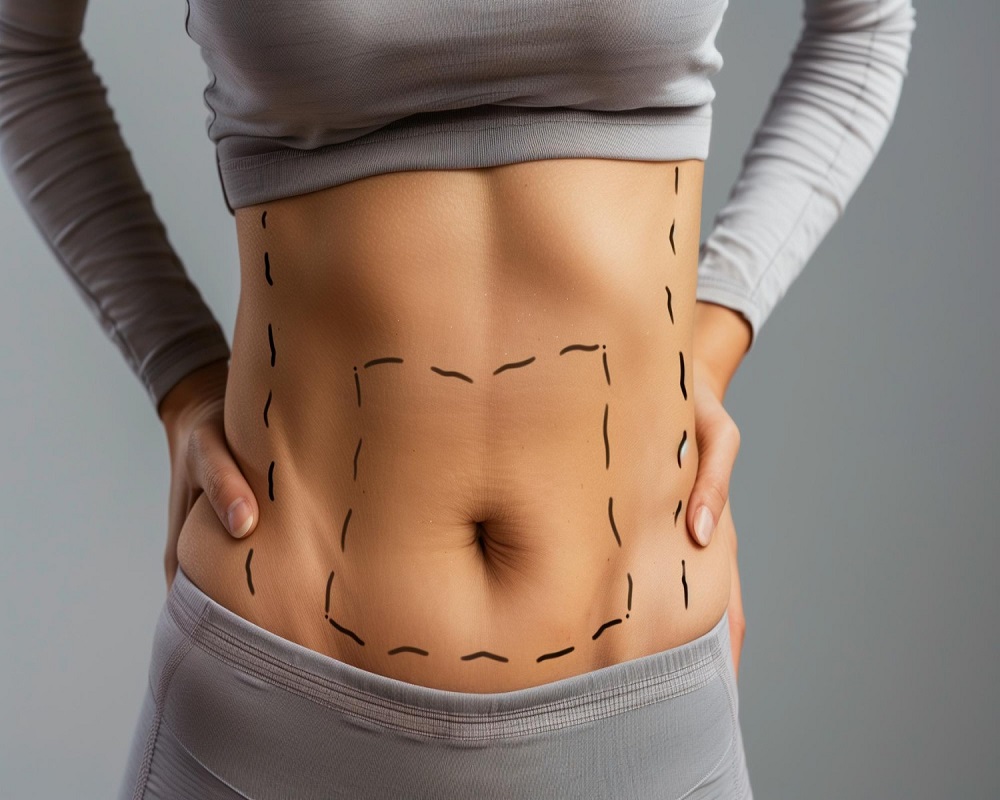
What Does a Typical First Week Look Like?
The table below gives a general picture of the first week.
| Day | What You Usually Experience | What to Focus On |
|---|---|---|
| Day 1 | Grogginess, tightness, drains, compression | Rest, medicines, short walks with help |
| Days 2 to 3 | Peak soreness and swelling | Pain control, hydration, gentle movement |
| Days 4 to 5 | Slightly easier movement | Drain care, short walks, good nutrition |
| Days 6 to 7 | Less pain, more energy | Follow-up visit, wound checks |
This table is only a guide. Your recovery may be easier or harder, and your surgeon’s instructions always come first.
How Do You Manage Pain and Discomfort?
Pain control is a priority. Take the prescribed medicines on time, and use only the painkillers your surgeon has approved, since some common ones increase bleeding. Wearing the compression garment as instructed reduces swelling and supports the repair. Sleeping with your upper body slightly raised and knees supported takes tension off the incision. Avoid sudden movements, and use your hands to support the abdomen when coughing or laughing.
Several practical habits help in the first days:
- Take medicines exactly as prescribed
- Use pillows to support your back and knees
- Walk slowly several times a day
- Avoid lifting anything heavy, including children
- Drink plenty of water and eat light, nutritious meals
- Keep important items within easy reach
How Do Drains and Dressings Work?
Many patients have small drains for the first few days, which remove extra fluid that collects under the skin. They are usually thin tubes attached to small bulbs, and your surgeon or nurse will show you how to empty and record the fluid. Dressings cover the incisions, and you will be told how long to keep them dry. Drains are removed when the fluid output falls to a low level, often within a few days to a week. Keep the area clean, avoid pulling on the tubes, and report heavy bleeding, increasing redness, or a sudden change in the fluid. When these elements come together, patients are better positioned to achieve results they feel comfortable with over time. Glamorous Aesthetic Clinic is committed to providing that level of personalized care, and every recommendation is based on careful assessment of the individual. If you are considering treatment, begin with a professional consultation and choose a provider who values safety, clarity, and realistic expectations.
How Do You Move, Sleep, and Eat?
Movement should be gentle and frequent. Walk slowly with a slight bend at the waist for the first days, and gradually stand straighter as the tightness eases. Sleep on your back with your upper body raised, using pillows or a recliner, and avoid lying flat or on your stomach. Eat small, balanced meals with enough protein and fibre, since pain medicines can cause constipation, and straining is uncomfortable and unwise after surgery. Drink plenty of water. If you also had fat removal such as skin tightening liposuction as part of your plan, extra swelling and fluid drainage may occur, and your surgeon will explain how to manage it.
What Emotions Are Normal in the First Week?
Many patients feel tired, tearful, or anxious in the first days. The body is dealing with anaesthesia, pain medicine, and the stress of surgery, and the abdomen may look swollen and uneven, which can be worrying. These feelings are common and usually improve as swelling goes down and energy returns. Talking to your surgeon or a trusted person helps, and remembering that the result takes months to appear protects you from judging too early. If you feel very low, hopeless, or anxious for more than a few days, tell your doctor, who can offer support.
When Should You Call Your Surgeon in the First Week?
Most discomfort is normal, but some signs need quick attention. Contact your clinic if you have fever, spreading redness, heat or pus near the incisions, heavy bleeding, increasing pain that does not respond to medicine, or sudden swelling on one side. Shortness of breath, chest pain, or pain and swelling in one leg are emergencies and need urgent care. Difficulty passing urine or persistent vomiting should also be reported. Early review prevents small problems from becoming bigger ones. You can read about the clinic’s wider range of body contouring procedures to understand how it approaches follow-up.
FAQs
Will I be in a lot of pain?
Most patients feel significant tightness and soreness, but it is controlled with medicine.
Can I shower in the first week?
Only as your surgeon instructs, especially if you have drains and dressings.
Is it normal to walk bent forward?
Yes, it protects the stitches and improves comfort.
When is the first follow-up visit?
Usually within about a week.
Final Thought
The first week after a tummy tuck is the most demanding part of recovery, with tightness, swelling, drains, and rest, but it gradually becomes easier. Good preparation, pain control, gentle walking, and careful aftercare make a big difference. Follow your surgeon’s instructions closely, ask about anything that worries you, and be patient with your body.
If you would like to prepare for your own first week, a professional consultation is a good starting point.
Read more
Contact us at our website:https://www.glamaesthetics.com.pk/