

Best Sunscreen for Dry Skin Women: A Complete Guide to Hydration and Sun Protection
Choosing the right sunscreen is an essential part of maintaining healthy, hydrated, and protected skin. Women with dry skin often experience tightness, rough patches, flaking, and discomfort, especially when using skincare products that do not provide enough moisture. Daily exposure to sunlight can make these concerns more noticeable while contributing to premature ageing, pigmentation, and other forms of skin damage.
A suitable sunscreen should do more than protect the skin from harmful ultraviolet rays. It should also provide a comfortable texture, support skin hydration, and fit easily into an everyday skincare routine. Understanding SPF ratings, sunscreen ingredients, product formulations, and application methods can help women make better skincare decisions.
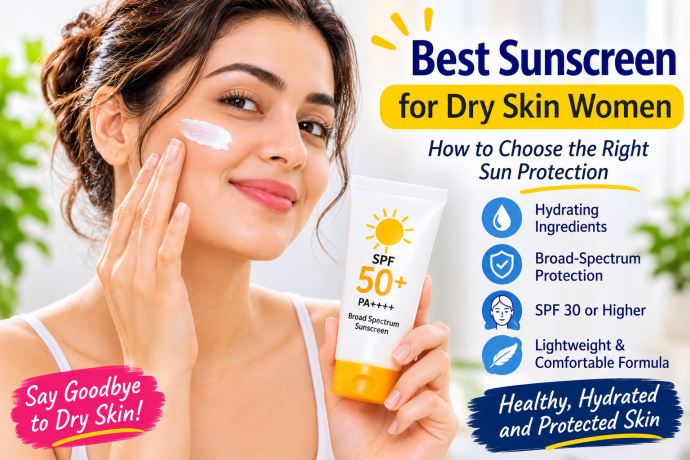
The best sunscreen for dry skin women should combine broad-spectrum sun protection with moisturising ingredients that help maintain skin comfort. Selecting a product according to individual skin needs can make daily sun protection easier and more effective.
Why Sunscreen Is Important for Women With Dry Skin
Dry skin generally produces less natural oil than normal or oily skin. This can make it more vulnerable to moisture loss, environmental irritation, and roughness. Sun exposure adds another concern because ultraviolet radiation can damage the skin over time.
There are two major types of ultraviolet radiation that affect the skin:
UVA rays: These penetrate deeper into the skin and contribute to premature ageing, wrinkles, and pigmentation.
UVB rays: These primarily cause sunburn and contribute to skin damage and skin cancer.
Using broad-spectrum sunscreen helps protect against both UVA and UVB radiation. It is particularly important for women who spend time outdoors, commute regularly, or live in areas with strong sunlight.
A moisturising sunscreen can also complement a daily skincare routine by providing a comfortable finish. However, women with dry skin should continue using a suitable moisturiser when additional hydration is needed.
Important Features to Look for When Choosing Sunscreen
Selecting sunscreen involves more than comparing product prices or choosing the highest SPF number. The formulation and ingredients are equally important.
1. Broad-Spectrum Sun Protection
Broad-spectrum sunscreen protects the skin against both UVA and UVB radiation. UVA exposure contributes to premature skin ageing, while UVB exposure is primarily associated with sunburn.
Women should look for products clearly labelled broad spectrum. This helps ensure that their daily sun protection addresses different types of ultraviolet exposure.
2. SPF 30 or Higher
SPF stands for Sun Protection Factor and measures protection against UVB-related sunburn.
Dermatology recommendations generally support using a broad-spectrum sunscreen with SPF 30 or higher. SPF 50 can be another suitable choice, particularly for people who spend extended periods outdoors.
However, a higher SPF does not mean sunscreen can be applied less frequently. Correct application and regular reapplication remain essential.
3. Hydrating Ingredients
Moisturising ingredients can make sunscreen more comfortable for women who experience dryness.
Some useful ingredients include:
Hyaluronic acid: Helps attract and retain moisture.
Glycerin: Helps draw water into the outer layers of the skin.
Ceramides: Support the skin's natural protective barrier.
Squalane: Helps soften the skin and reduce moisture loss.
Panthenol: Helps condition and moisturise the skin.
Shea butter: Provides emollient benefits and improves skin softness.
These ingredients can help create a comfortable skincare experience when included in a well-formulated sunscreen.
4. Cream-Based Formulations
Cream-based sunscreens are often suitable for dry skin because they provide a richer texture than many lightweight gels.
They may help reduce the feeling of tightness and leave the skin feeling softer. Women with very dry skin can also consider moisturising lotion formulas that spread easily without feeling excessively heavy.
5. Fragrance-Free Formulas
Some women with dry skin also experience sensitivity. Fragrances and certain cosmetic ingredients may trigger irritation in susceptible individuals.
A fragrance-free sunscreen can be a sensible option when sensitivity is a concern. Checking the ingredient list and testing a new product on a small area can help identify possible reactions.
Different Types of Sunscreens Suitable for Dry Skin
Understanding sunscreen formulations makes it easier to select a product that matches individual preferences and skincare requirements.
Moisturising Cream Sunscreen
Cream sunscreens generally have a richer consistency and may provide a comfortable finish for women with dry or flaky skin.
Look for formulas containing glycerin, ceramides, or hyaluronic acid. These ingredients complement moisturising skincare routines and help improve the overall feel of the product.
Mineral Sunscreen
Mineral sunscreens commonly use zinc oxide, titanium dioxide, or both as active sun-protective ingredients.
They can be suitable for women who prefer mineral formulations or have experienced irritation with certain other products. However, some mineral sunscreens leave a visible white cast.
Tinted mineral formulations may help minimise this appearance.
Hydrating Lotion Sunscreen
Lotion sunscreens offer a balance between lightweight application and moisturising comfort. They are useful for women who prefer products that spread easily and do not feel excessively thick.
A hydrating lotion containing glycerin or panthenol may be a practical option for everyday use.
Tinted Sunscreen
Tinted sunscreens combine UV protection with light cosmetic coverage. Some products contain iron oxides, which can provide additional protection against visible light.
This can be particularly useful for women concerned about uneven skin tone and pigmentation.
Water-Resistant Sunscreen
Women who exercise outdoors, swim, or sweat frequently may benefit from water-resistant sunscreen.
Water resistance is generally labelled for 40 or 80 minutes. These products still require reapplication according to their packaging instructions.
Chemical Sunscreen vs Mineral Sunscreen
Both chemical and mineral sunscreens can provide effective sun protection when properly formulated and applied.
Feature | Mineral sunscreen |
Chemical sunscreen |
|---|---|---|
Common ingredients | Zinc oxide and titanium dioxide | Organic UV filters |
Texture | Can feel thicker | Often available in lightweight formulas |
White cast | Possible | Usually less visible |
Sensitive skin | May suit some sensitive users | Depends on individual tolerance |
Dry skin | Hydrating cream options available | Moisturising lotion options available |
There is no single formulation that works best for every woman. The right choice depends on personal skin sensitivity, comfort, ingredient preferences, and the climate in which the product will be used.
How to Choose Sunscreen According to Different Skin Concerns
Dryness can occur alongside several other skin concerns. Selecting sunscreen according to these needs can improve everyday skincare comfort.
Dry and Sensitive Skin
Women experiencing both dryness and sensitivity should consider gentle, fragrance-free formulations. Mineral sunscreen containing zinc oxide or titanium dioxide may be worth trying.
Avoid products that cause burning, persistent redness, or itching. If irritation continues, consult a dermatologist.
Dry Skin With Pigmentation
Broad-spectrum sunscreen is important for women concerned about dark spots, tanning, and uneven skin tone.
A tinted sunscreen containing iron oxides may offer additional visible-light protection. Consistent application can help prevent further sun-related pigmentation.
Dry Skin With Fine Lines
Repeated sun exposure contributes to premature skin ageing. Regular sunscreen use helps reduce UV-related damage.
Moisturising ingredients such as ceramides, glycerin, and hyaluronic acid can complement an anti-ageing skincare routine.
Dry Skin During Summer
Hot weather and increased sweating can make thick skincare products uncomfortable. A hydrating lotion or lightweight cream sunscreen may be more practical.
Women spending time outdoors should prioritise water-resistant protection and regular reapplication.
Dry Skin During Winter
Cold temperatures, low humidity, and indoor heating can contribute to moisture loss.
A suitable moisturiser followed by sunscreen can help maintain a comfortable skincare routine during colder months. Sun protection remains important throughout the year.
Correct Sunscreen Application for Better Protection
Even a high-quality sunscreen cannot provide its intended protection if it is applied incorrectly.
Follow these simple practices:
Cleanse gently: Use a mild facial cleanser that does not leave the skin feeling tight.
Apply moisturiser: Choose a moisturiser suitable for dry skin and allow it to settle.
Apply sunscreen generously: Cover the face, neck, ears, and other exposed areas.
Apply before sun exposure: Follow the product instructions regarding application timing.
Reapply regularly: Reapply at least every two hours when outdoors and after swimming, sweating, or towel drying.
For facial application, approximately two finger lengths is a commonly used practical guide for the face and neck, although the required amount depends on the area covered and product instructions.
Do not forget areas such as the hairline, hands, and the sides of the neck.
Common Sunscreen Mistakes to Avoid
Women can improve their sun protection habits by avoiding several common mistakes.
Applying too little sunscreen.
Choosing products based only on SPF ratings.
Skipping sunscreen on cloudy days.
Forgetting the neck, ears, and hands.
Using expired sunscreen.
Not reapplying after swimming or sweating.
Ignoring ingredients that previously caused irritation.
Depending entirely on sunscreen without using other protective measures.
Protective clothing, sunglasses, wide-brimmed hats, and shade can provide additional protection from sunlight.
Benefits of Daily Sunscreen Use
Regular sunscreen use supports long-term skin protection and helps maintain healthy-looking skin.
Protection against sunburn: Sunscreen reduces exposure to UVB radiation and helps lower the risk of sunburn when used correctly.
Reduced premature ageing: Broad-spectrum protection helps limit UVA-related damage associated with wrinkles and fine lines.
Support for an even complexion: Consistent sun protection can help reduce the worsening of sun-related pigmentation and dark spots.
Protection against UV-related skin damage: Regular use helps reduce harmful ultraviolet exposure and lowers the risk of certain skin cancers.
Better skincare consistency: Choosing a comfortable, moisturising formula makes it easier to include sun protection in a daily routine.
No sunscreen offers complete protection, so combining it with other sun-safe habits is important.
Building an Effective Daily Skincare Routine
Women with dry skin do not need an unnecessarily complicated skincare routine. A few carefully selected products can provide a practical foundation.
Morning skincare | Main purpose |
|---|---|
Gentle cleanser | Removes impurities |
Hydrating serum | Supports skin hydration |
Moisturiser | Helps maintain the skin barrier |
Broad-spectrum sunscreen | Protects against UV radiation |
An evening routine can include gentle cleansing and a suitable moisturiser. Women experiencing significant dryness may prefer a richer night cream.
Avoid excessive exfoliation and introducing multiple active ingredients at once, as these practices may increase irritation.
Tips for Selecting Sunscreen for Different Lifestyles
Lifestyle plays an important role in choosing suitable sun protection.
Office professionals: A comfortable moisturising sunscreen with SPF 30 or higher can support daily commuting and routine outdoor exposure.
Outdoor workers: Broad-spectrum, water-resistant sunscreen and protective clothing are important.
Fitness enthusiasts: Water-resistant formulas can be useful during outdoor exercise.
Frequent travellers: Choose a convenient product that is easy to carry and reapply.
Makeup users: Tinted sunscreen can provide a natural-looking finish, but apply an adequate amount of dedicated sunscreen before relying on makeup for cosmetic coverage.
The ideal formulation is one that feels comfortable enough to use consistently.
Frequently Asked Questions (FAQs)
1. Which sunscreen is suitable for women with dry skin?
Cream-based and hydrating lotion sunscreens are often suitable. Look for broad-spectrum SPF 30 or higher and moisturising ingredients such as glycerin, ceramides, and hyaluronic acid.
2. Is SPF 50 better than SPF 30 for dry skin?
Both can provide effective protection. SPF 50 offers somewhat greater UVB protection under proper testing conditions, but correct application and reapplication are essential.
3. Can women with dry skin use mineral sunscreen?
Yes. Mineral sunscreens containing zinc oxide or titanium dioxide can be suitable for dry skin. Choosing a moisturising formula can improve comfort.
4. Should moisturiser be applied before sunscreen?
Yes. Apply moisturiser first, allow it to settle, and then apply sunscreen evenly over exposed skin.
5. How often should sunscreen be reapplied?
Reapply at least every two hours when outdoors. Reapply sooner after swimming, sweating, or towel drying, following the product instructions.
6. Can sunscreen prevent premature ageing?
Regular broad-spectrum sunscreen use helps protect against UV-related damage associated with wrinkles, fine lines, and uneven skin tone.
7. Is sunscreen necessary during winter?
Yes. UV radiation can reach the skin throughout the year, so daily sun protection remains important even during colder weather.
8. Is tinted sunscreen suitable for women with dry skin?
Yes. Tinted sunscreen can offer sun protection and light cosmetic coverage. Some formulations contain iron oxides that help protect against visible light.
Conclusion
Selecting suitable sun protection is an important step towards maintaining comfortable, hydrated, and healthy-looking skin. Women with dry skin should consider the formulation, SPF rating, broad-spectrum coverage, and moisturising ingredients before choosing a product. Cream-based sunscreens, hydrating lotions, and suitable mineral formulations can all be practical options depending on individual preferences and skin concerns.
Consistent application, regular reapplication, and a balanced skincare routine can help protect the skin from everyday environmental exposure. Ultimately, the best sunscreen for dry skin women is one that combines reliable sun protection with a comfortable, moisturising formulation that meets individual skincare needs.