

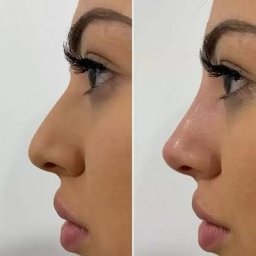
Introduction
Rhinoplasty in Islamabad is a popular option for people who want to improve the appearance of their nose or address certain functional concerns, such as structural problems that affect breathing. Commonly known as a nose job, rhinoplasty is a surgical procedure that reshapes the nose by modifying its bone, cartilage, or other supporting structures.
Whether you want to refine a nasal tip, correct a hump, improve facial symmetry, or discuss breathing difficulties, understanding the procedure, cost, and recovery process can help you make an informed decision.
However, rhinoplasty is not simply a cosmetic treatment. It requires careful planning, a thorough medical assessment, and realistic expectations. The final outcome depends on individual anatomy, surgical technique, healing, and the surgeon's experience.
What Is Rhinoplasty?
Rhinoplasty is a surgical procedure designed to change the shape, size, or structure of the nose. It may be performed for cosmetic reasons, functional reasons, or a combination of both.
Patients in Islamabad commonly explore rhinoplasty for concerns such as:
A prominent nasal hump or uneven nasal bridge.
A wide, rounded, or drooping nasal tip.
Nasal asymmetry following an injury.
A nose that appears disproportionate to other facial features.
Structural abnormalities that contribute to breathing difficulties.
Cosmetic rhinoplasty focuses primarily on appearance, while functional rhinoplasty addresses structural problems that affect nasal function. Septoplasty may be performed alongside rhinoplasty when correction of a deviated septum is necessary.
The right surgical approach depends on the patient's anatomy, health, goals, and clinical examination.
How Much Does Rhinoplasty Cost in Islamabad?
The cost of rhinoplasty in Islamabad varies according to the complexity of the procedure, the surgeon's qualifications, the hospital or surgical facility, and the level of aftercare required.
As an initial budgeting guide, patients may encounter prices ranging from approximately PKR 150,000 to PKR 500,000 or more. This is an indicative estimate rather than a verified current market rate or a clinic-specific quotation. Complex revision procedures may cost more.
Factors That Affect Rhinoplasty Cost
Several factors can influence the overall price:
Surgeon's experience: Specialist training, experience, and the complexity of previous cases may affect professional fees.
Surgical technique: Open rhinoplasty, closed rhinoplasty, and revision surgery involve different technical requirements.
Hospital and anesthesia charges: The facility, anesthesia team, and operating-room requirements contribute to the total cost.
Functional correction: Procedures involving breathing problems or septal correction may require additional surgical work.
Postoperative care: Follow-up visits, prescribed medicines, and any additional investigations can affect the final expense.
Before choosing a clinic, request a written quotation that explains what is included. The lowest price should not be the only deciding factor when considering surgery involving the face and nasal airway.
Types of Rhinoplasty Procedures
Different rhinoplasty techniques are used depending on the patient's needs and the surgeon's assessment.
1. Open Rhinoplasty
Open rhinoplasty involves a small incision across the columella, the tissue separating the nostrils, along with incisions inside the nose. This allows the surgeon to lift the skin and examine the underlying structures directly.
It may be appropriate for complex reshaping, significant tip refinement, or certain revision procedures.
2. Closed Rhinoplasty
Closed rhinoplasty uses incisions inside the nostrils. Because there is no external columellar incision, it avoids a visible incision in that location.
This technique may be suitable for selected cases, depending on the changes required and the surgeon's judgment.
3. Revision Rhinoplasty
Revision rhinoplasty corrects or modifies the results of a previous nose surgery. It can be more complicated because the original procedure may have altered cartilage, bone, or scar tissue.
Patients considering revision surgery should understand that additional surgery carries its own risks and may not achieve every desired change.
What Happens During Rhinoplasty Surgery?
Rhinoplasty generally follows several stages, from the initial consultation to postoperative follow-up.
Step 1: Consultation and Facial Assessment
The surgeon reviews the patient's medical history, examines the nose, evaluates breathing where relevant, and discusses the desired outcome.
Photographs may be used to support surgical planning. Computer-generated images can help communicate expectations, but they cannot guarantee the final result.
Step 2: Anesthesia and Surgical Preparation
Rhinoplasty is commonly performed under general anesthesia, although the approach depends on the procedure and clinical circumstances.
The surgical team follows appropriate safety protocols and prepares the patient for the planned operation.
Step 3: Reshaping the Nose
The surgeon modifies the underlying bone and cartilage to achieve the planned changes. Depending on the case, this may involve reducing a hump, refining the nasal tip, straightening the nose, or adding structural support.
The goal is to create a result that suits the patient's facial proportions while preserving or improving nasal function.
Step 4: Closing and Initial Recovery
Once the reshaping is complete, the surgeon closes the incisions and may place a splint to support the nose during early healing. Internal dressings or supports may also be used when indicated.
Patients receive postoperative instructions and a follow-up schedule before returning home or leaving the surgical facility.
Rhinoplasty Recovery: What to Expect
Recovery after rhinoplasty takes time, and the healing process differs between individuals.
During the first week, swelling, bruising around the eyes, nasal congestion, and mild discomfort may occur. A nasal splint is often removed after approximately one week, depending on the surgeon's protocol.
Typical Recovery Timeline
First week: Swelling and bruising are usually most noticeable. Rest and follow the surgeon's instructions.
Weeks two to four: Many patients see a reduction in visible bruising and swelling, although the nose is still healing.
One to three months: The shape becomes more defined as swelling continues to settle.
Six to twelve months or longer: Subtle swelling, particularly around the nasal tip, may continue to improve.
Patients should avoid contact sports, activities that risk nasal injury, and strenuous exercise until their surgeon confirms that these activities are safe.
Contact the surgical team promptly if you experience heavy bleeding, worsening pain, fever, increasing redness, or breathing difficulties that are more severe than expected.
What Results Can You Expect from Rhinoplasty?
Rhinoplasty aims to improve nasal shape or function while maintaining harmony with the rest of the face. Results vary according to anatomy, surgical planning, healing, and the type of correction performed.
Potential outcomes may include:
A smoother or more balanced nasal bridge.
Improved nasal tip definition.
Better alignment or symmetry.
Changes in the overall proportion of the nose.
Improved breathing when an appropriate functional correction is performed.
It is important to understand that perfect symmetry is not always possible. Swelling can temporarily make the nose appear uneven, and the final result may take a year or longer to become clear.
Rhinoplasty also carries risks, including bleeding, infection, scarring, changes in sensation, breathing problems, dissatisfaction with appearance, and the possible need for revision surgery. A qualified surgeon should discuss these risks before obtaining informed consent.
Choosing the Right Rhinoplasty Clinic in Islamabad
Choosing the right surgeon and surgical facility is one of the most important decisions when planning rhinoplasty. Patients should look beyond promotional photographs and advertised prices to assess qualifications, experience, safety standards, and the quality of postoperative care.
Dynamic Aesthetic Clinic in Islamabad is a name patients may wish to research when exploring aesthetic treatment options. Before booking a rhinoplasty consultation, independently confirm whether the clinic currently offers surgical rhinoplasty, who would perform the procedure, and whether the surgeon has appropriate specialist qualifications and access to a suitable surgical facility. Do not assume that an aesthetic clinic itself performs surgery.
When comparing providers, consider the following:
Verify the surgeon's credentials and relevant surgical experience.
Ask to see appropriate before-and-after photographs, with an understanding that individual outcomes vary.
Discuss whether open or closed rhinoplasty is suitable for your anatomy.
Confirm the facility's anesthesia, emergency, and infection-control arrangements.
Request a clear breakdown of costs and postoperative follow-up.
Ask about complications, revision policies, and expected recovery.
A responsible provider should explain the limitations of surgery, assess your health, and help you decide whether rhinoplasty is appropriate for your goals.
Is Rhinoplasty in Islamabad Worth Considering?
Rhinoplasty may be worth considering if you have a specific concern about nasal appearance or a structural problem affecting breathing. However, surgery should be based on informed consent, realistic expectations, and a professional medical assessment.
Before proceeding, ask yourself whether your goals are achievable, whether you understand the recovery period, and whether you are comfortable with the potential risks.
A consultation with a qualified surgeon can help you compare surgical options, understand the likely costs, and determine the most appropriate approach for your individual needs.
Frequently Asked Questions
1. How much does rhinoplasty cost in Islamabad?
Costs vary by surgeon, facility, and complexity. An indicative budget may be PKR 150,000–500,000 or more.
2. Is rhinoplasty painful?
Discomfort, swelling, and congestion are common during early recovery. Prescribed medication can help manage discomfort.
3. How long does rhinoplasty recovery take?
Many patients resume routine activities within a few weeks, but final results may take 12 months or longer.
4. Is rhinoplasty permanent?
Structural changes are generally long-lasting, although aging and natural tissue changes continue over time.
5. Can rhinoplasty improve breathing?
Yes, when appropriate structural corrections are performed, but improved breathing is not guaranteed in every case.
Conclusion
Rhinoplasty in Islamabad offers an option for people seeking changes to nasal appearance or correction of certain structural breathing problems. Understanding the cost, surgical techniques, recovery timeline, expected results, and potential risks is essential before making a decision.
The best approach is to choose a properly qualified surgeon, compare treatment plans carefully, and prioritize safety over price. With appropriate assessment and realistic expectations, patients can make a more informed decision about whether rhinoplasty is suitable for their needs.