

Introduction
Losing a tooth can affect your ability to chew, speak, and smile confidently. Whether a tooth has been removed because of severe decay, gum disease, infection, or an injury, replacing it can help restore oral function and maintain your smile. One of the most effective options for replacing a missing tooth is a dental implant.
But can you get dental implants after tooth extraction? Yes, dental implants can often be placed immediately after extraction or after the extraction site has healed. The right timing depends on your oral health, the condition of your jawbone, the presence of infection, and your dentist's clinical assessment.
If you are considering a Dental Implant in Islamabad, understanding the treatment timeline, healing process, and eligibility requirements can help you make an informed decision.
Can You Get Dental Implants After Tooth Extraction?
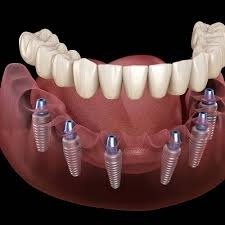
Yes, many patients can receive dental implants after tooth extraction. A dental implant is a small, biocompatible post, usually made of titanium, that is placed into the jawbone to replace a missing tooth root. Once the implant integrates with the bone, a dental crown can be attached to restore the appearance and function of the missing tooth.
There are two main approaches to implant placement:
Immediate implant placement: The implant is inserted into the extraction socket during the same appointment as the tooth removal, if suitable conditions are present.
Delayed implant placement: The extraction site is allowed to heal before the implant is placed. This may take several weeks to a few months, depending on the condition of the bone and gums.
Neither approach is automatically better for every patient. Your dentist will assess the extraction site and determine which option offers the most predictable outcome.
How Soon Can You Get a Dental Implant After Tooth Extraction?
The time between tooth extraction and implant placement varies from person to person. Your dentist may recommend immediate placement or allow additional healing time.
1. Immediate Dental Implant Placement
An immediate implant may be possible when the tooth is extracted and the implant is placed during the same visit.
This approach may be considered when:
The surrounding jawbone is healthy and provides adequate support.
The extraction can be completed without significant damage to the bone.
There is no uncontrolled infection.
The patient's overall health supports healing.
The implant can achieve sufficient initial stability.
Important: Immediate placement does not necessarily mean that you will receive a permanent crown on the same day. In some cases, a temporary restoration may be possible, while other patients need to wait until the implant has integrated with the bone.
2. Early Implant Placement
Some patients benefit from waiting several weeks after extraction. This allows the gum tissue to heal and helps the dentist evaluate the site before implant surgery.
Early placement may be appropriate when:
The soft tissue needs time to recover.
There was localized infection that has been treated.
The dentist wants to reassess the extraction site before surgery.
The exact waiting period depends on the clinical findings and the healing response.
3. Delayed Dental Implant Placement
In other cases, the dentist may recommend waiting several months after extraction before inserting the implant.
This can be useful when:
The extraction involved significant infection or tissue damage.
Bone grafting is required.
The jawbone needs additional healing.
The patient has medical or oral health concerns that must be addressed first.
During this period, your dentist may discuss ways to preserve the bone and prevent neighboring teeth from shifting.
What Happens to Your Jawbone After Tooth Extraction?
When a tooth is removed, the jawbone no longer receives the same stimulation from that tooth's root. Over time, the bone in the empty socket may shrink in width and height. This natural process is known as bone resorption.
Bone changes are one reason dentists often discuss tooth replacement soon after extraction.
Without adequate bone, placing an implant can become more complicated. However, bone loss does not always mean that implants are impossible.
Your dentist may recommend:
Bone grafting: Adding bone graft material to support or rebuild the implant site.
Socket preservation: Placing graft material in the extraction socket to help limit bone loss.
Three-dimensional imaging: Using a CBCT scan when indicated to assess bone volume and nearby anatomical structures.
These procedures are not necessary for everyone. Their suitability depends on your bone condition and treatment goals.
Who Is a Good Candidate for Dental Implants After Extraction?
Most adults with healthy oral tissues and adequate jawbone may be candidates for dental implants. However, eligibility should be established through a clinical examination.
You may be a suitable candidate if you:
Have healthy gums or are receiving treatment for gum disease.
Have sufficient jawbone to support the implant, or can undergo appropriate bone augmentation.
Maintain good oral hygiene.
Have medical conditions that are well controlled.
Do not smoke, or are willing to stop or reduce smoking around treatment as advised.
Can attend follow-up appointments and follow post-operative instructions.
Certain factors can affect healing, including uncontrolled diabetes, active gum disease, heavy smoking, and some medications or medical conditions. These factors do not automatically rule out implants, but they may require additional precautions or coordination with your physician.
What Is the Dental Implant Procedure After Tooth Extraction?
The treatment process generally involves several stages.
Step 1: Dental consultation
Your dentist examines your teeth, gums, bite, and medical history. X-rays or a CBCT scan may be recommended to evaluate the implant site.
Step 2: Tooth extraction
If the tooth has not already been removed, the dentist extracts it carefully while preserving as much healthy bone as possible.
Step 3: Implant placement
The implant is placed immediately or after the recommended healing period. Bone grafting may be performed if necessary.
Step 4: Healing and osseointegration
The implant gradually bonds with the surrounding jawbone through a process called osseointegration. This commonly takes several months, although the timeline varies.
Step 5: Crown placement
Once the implant is sufficiently stable, an abutment and custom-made dental crown are attached. The crown is designed to restore chewing function and blend with the surrounding teeth.
The overall treatment may take several months, particularly when grafting or additional healing is needed.
Benefits of Getting Dental Implants After Tooth Extraction
Dental implants offer several advantages when planned and maintained appropriately.
Natural appearance: The final crown can be designed to resemble your natural teeth.
Improved chewing: A well-integrated implant can help restore comfortable biting and chewing.
Jawbone support: Implants transmit functional forces to the surrounding bone, helping maintain it compared with leaving the tooth missing.
No reliance on neighboring teeth: Unlike a conventional tooth-supported bridge, an implant generally does not require adjacent teeth to be prepared.
Long-term replacement option: With proper care, dental implants can last many years, although maintenance and future repairs may be necessary.
Implants also require good oral hygiene and regular professional monitoring. They are not immune to inflammation or other complications.
Possible Risks and Complications
Dental implant surgery is generally predictable when carefully planned, but it carries potential risks.
These may include:
Pain, swelling, bruising, or minor bleeding after surgery.
Infection around the implant site.
Failure of the implant to integrate with the bone.
Gum recession or bone loss around the implant.
Injury to nearby anatomical structures in uncommon cases.
Implant-related inflammation, including peri-implantitis.
Following your dentist's instructions, maintaining oral hygiene, avoiding smoking, and attending follow-up appointments can help reduce complications.
Contact your dentist if you experience increasing pain, persistent bleeding, worsening swelling, fever, or discharge after surgery.
Dental Implant in Islamabad: Choosing the Right Dental Clinic
If you are exploring a Dental Implant in Islamabad, choose a clinic that prioritizes diagnosis, patient safety, and individualized treatment planning rather than promising the same procedure for every patient.
Look for a qualified dental professional with relevant implant training and experience, appropriate diagnostic equipment, clear explanations of costs, and a structured follow-up plan.
The Dentist Master
At The Dentist Master, patients considering dental implants can discuss tooth replacement options, the condition of their extraction site, and the steps required for treatment planning. A personalized consultation can help determine whether immediate or delayed implant placement is appropriate, whether bone grafting may be necessary, and what timeline to expect. Patients should ask about the treating dentist's qualifications, the proposed procedure, aftercare requirements, and the total expected cost before proceeding.
How Can You Care for Your Mouth After Tooth Extraction?
Good aftercare supports healing and helps prepare the site for future implant treatment.
Follow your dentist's instructions, including these general recommendations:
Avoid disturbing the extraction site, particularly during the first 24 hours.
Do not smoke or use tobacco during healing.
Eat soft foods initially and avoid chewing directly on the surgical site.
Keep your mouth clean, following your dentist's guidance on brushing and rinsing.
Take prescribed medicines exactly as directed.
Attend follow-up appointments so your dentist can assess healing.
If you are planning an implant later, ask whether socket preservation is appropriate at the time of extraction. This decision is best made before the tooth is removed whenever possible.
Conclusion
Yes, you can often get dental implants after tooth extraction. Some patients are suitable for immediate placement, while others need several weeks or months for healing before implant surgery. The decision depends on bone quality, gum health, infection, medical history, and the stability that can be achieved during placement.
If you are considering a Dental Implant in Islamabad, arrange a consultation with a qualified dental professional to assess your extraction site and discuss the most suitable treatment plan. Early planning can help protect the available bone, improve treatment coordination, and support a functional, natural-looking replacement tooth.
Frequently Asked Questions (FAQs)
1. Can I get a dental implant immediately after extraction?
Yes, if the bone, gums, and extraction site are suitable for immediate placement.
2. How long should I wait after tooth extraction?
Some patients can receive an implant immediately, while others may need several weeks or months.
3. Is a dental implant painful?
The procedure is usually performed with local anesthesia. Some discomfort and swelling may occur afterward.
4. What if I have bone loss after extraction?
Bone grafting or other treatment may help prepare the site, depending on your clinical condition.
5. How long do dental implants last?
Dental implants can last many years with good oral hygiene, regular dental check-ups, and appropriate maintenance.