

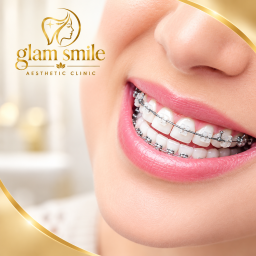
The cost of correcting teeth that have shifted after braces can vary depending on the complexity of the problem and the type of orthodontic treatment required. Some patients may need only minor adjustments, while others require more comprehensive treatment to restore proper alignment.everal factors influence the overall cost, including the amount of tooth movement, treatment duration, choice of braces or clear aligners, and individual dental requirements.Consulting experienced Orthodontists in Islamabad can help determine why teeth have shifted and which treatment approach is most suitable for restoring a straight, healthy smile.Understanding orthodontic relapse is important because teeth can gradually move out of their corrected positions even after successful braces treatment. Fortunately, an orthodontist can often correct this movement with an appropriate treatment plan.
What Is Orthodontic Relapse?
Orthodontic relapse occurs when teeth begin moving toward their previous positions after braces or other orthodontic treatment have been completed. Although braces gradually align teeth, the surrounding gums, bone, and supporting tissues need time to adapt to their new positions.Without proper retention, teeth may gradually shift, creating spacing, crowding, or bite alignment problems.Relapse can happen shortly after braces removal or several years later. Its severity varies from person to person.examination can help identify the extent of movement and determine whether additional treatment is necessary.
Can an Orthodontist Correct Relapsed Teeth After Braces?
Yes, an orthodontist can often treat relapsed teeth after braces. The appropriate approach depends on how much the teeth have shifted, whether the bite has changed, and the patient's overall dental health.Minor relapse may require only a replacement retainer or limited orthodontic correction. More noticeable movement may require braces or clear aligners to reposition the affected teeth.An orthodontist evaluates the current alignment, compares it with the patient's dental history when available, and recommends a treatment plan based on individual needs. assessment is helpful because minor shifting may be easier to correct than more extensive orthodontic changes.
Why Do Teeth Shift After Braces?
Several factors can contribute to orthodontic relapse. Understanding these causes helps patients protect their results after treatment.
Not Wearing Retainers Regularly
Retainers are essential for maintaining teeth in their corrected positions. After braces are removed, the supporting tissues need time to stabilize.If patients stop wearing their retainers according to their orthodontist's instructions, teeth may gradually move.
Natural Changes With Age
Teeth can shift throughout life, even in people who have never received orthodontic treatment. Changes in the jaw, facial structure, and surrounding tissues may gradually affect tooth alignment.
Wisdom Teeth and Other Dental Changes
Wisdom teeth are sometimes associated with changes in dental alignment, although they are not considered the sole or usual cause of relapse. Other dental changes, including tooth loss, can also affect the position of neighbouring teeth.
Incomplete Orthodontic Correction
In some cases, teeth may not have achieved stable alignment or the original bite concerns may not have been fully corrected. This can increase the possibility of unwanted movement.
Natural Pressure From the Tongue and Lips
Daily habits and pressure from the tongue, lips, and cheeks can influence tooth positioning. Habits such as tongue thrusting may contribute to certain alignment problems.
What Treatment Options Are Available for Relapsed Teeth?
An orthodontist may recommend different techniques depending on the severity of relapse, treatment goals, and patient preferences.
Clear Aligners
Clear aligners are removable, transparent trays designed to move teeth gradually into improved positions.They can be suitable for patients with mild to moderate relapse, depending on the complexity of their dental condition., aligners must generally be worn for the recommended number of hours each day. More complex cases may require fixed braces or additional orthodontic techniques.
Traditional Metal Braces
Traditional metal braces use brackets and wires to apply controlled pressure to teeth.They may be recommended when relapse involves significant crowding, rotated teeth, spacing, or bite problems.treatment duration depends on the amount of correction required and how the teeth respond.
Ceramic Braces
Ceramic braces work similarly to traditional metal braces but use tooth-coloured or relatively less noticeable brackets.They may be suitable for patients who want fixed orthodontic treatment with a more discreet appearance.The orthodontist determines whether ceramic braces are appropriate based on the required tooth movements and individual dental condition.
Replacement or Adjustment of Retainers
For very minor changes, a new retainer may sometimes help maintain or manage the existing tooth positions. However, retainers are not designed to correct every type of relapse.If teeth have shifted significantly, active orthodontic treatment may be necessary before a new retainer can maintain the corrected alignment.Patients should avoid forcing an old retainer onto significantly shifted teeth because this may cause discomfort or unwanted pressure.
How Much Does It Cost to Treat Relapsed Teeth After Braces?
The cost of correcting orthodontic relapse varies because every patient has different alignment concerns and treatment requirements.Some patients need minor correction, while others may require a complete orthodontic treatment plan. Therefore, the total expense cannot be determined accurately without an examination.
Factors That Influence the Cost of Relapse Treatment
Severity of Tooth Movement
Minor spacing or slight crowding may require limited correction. More extensive relapse involving several teeth or bite problems may require longer treatment and more complex techniques.
Type of Orthodontic Treatment
The treatment method can influence the overall expense. Metal braces, ceramic braces, and clear aligners have different materials, clinical requirements, and treatment processes.
Treatment Duration
The length of treatment depends on the amount of tooth movement required, biological response, and patient cooperation. Longer treatment may involve additional appointments and monitoring.
Individual Dental Requirements
Existing dental problems, such as gum disease, cavities, missing teeth, or bite abnormalities, may need attention before orthodontic correction begins.
Diagnostic Tests and Follow-Up Visits
An orthodontist may recommend dental photographs, X-rays, digital scans, or other assessments to develop an appropriate treatment plan. These requirements can contribute to the overall treatment cost.
Is Retreatment More Expensive Than Initial Braces?
Not necessarily. Some patients require only minor orthodontic adjustments, making retreatment less extensive than their original braces treatment.However, complicated relapse involving significant tooth movement or bite correction may require a longer and more involved treatment process.The most reliable way to understand the expected expense is to receive an individual assessment and a detailed treatment estimate.
Who Is a Suitable Candidate for Orthodontic Relapse Treatment?
Most people experiencing unwanted tooth movement after braces can be evaluated for further orthodontic treatment. However, suitability depends on dental health, gum condition, and the extent of relapse. the orthodontist may examine the gums, teeth, jaw relationship, and supporting bone.Active gum disease and untreated cavities may need to be managed before orthodontic treatment begins.
What Happens During an Orthodontic Consultation?
A consultation helps identify the reason for relapse and establish an appropriate correction strategy.At Glam Smile Clinic, patients considering orthodontic correction can discuss their dental concerns and explore suitable treatment options with the dental team.A typical consultation may involve the following steps:
Initial Dental Examination
The orthodontist examines the teeth, gums, bite, and overall oral health to identify visible alignment problems.
Review of Previous Treatment
If available, previous dental records, photographs, X-rays, or treatment plans can help the orthodontist understand the original alignment and previous corrections.
Diagnostic Assessment
Digital scans, photographs, and X-rays may be recommended to evaluate tooth positions and supporting structures.
Treatment Planning
Based on the findings, the orthodontist discusses suitable options, expected treatment duration, maintenance requirements, and estimated costs.Patients can also discuss their preferences regarding clear aligners, metal braces, or ceramic braces.
How Can You Prevent Teeth From Relapsing Again?
Preventing another relapse is an important part of successful orthodontic treatment. Even after teeth have been corrected, regular maintenance remains necessary. differ between individuals. Some patients need long-term or lifelong nighttime retention to help prevent unwanted movement.
Frequently Asked Questions (FAQs)
Can Teeth Be Straightened Again After Relapsing From Braces?
Yes. An orthodontist can often straighten teeth again using clear aligners, traditional braces, or other appropriate techniques. The treatment depends on the severity of relapse and the patient's dental condition.
How Long Does It Take to Fix Relapsed Teeth?
Treatment duration varies depending on the amount of movement required. Minor corrections may take less time, while extensive crowding or bite problems may require a longer treatment period. An orthodontic examination provides a more realistic estimate.
Is Retreatment After Braces More Expensive?
Not always. Minor corrections may involve less treatment than the original braces procedure. However, complex relapse may require additional appointments, diagnostic assessments, and longer treatment.
Can Clear Aligners Fix Teeth That Have Shifted After Braces?
Clear aligners can correct many mild to moderate relapse cases. However, their suitability depends on the type and complexity of tooth movement. Some patients may achieve better results with fixed braces.
Do I Need to Wear Retainers Forever After Orthodontic Retreatment?
Many patients benefit from long-term retention because teeth can naturally shift throughout life. Your orthodontist will recommend an appropriate retainer type and wearing schedule based on your individual needs.
Conclusion
Teeth shifting after braces is a common concern, but it does not mean that previous orthodontic treatment has permanently failed. With proper assessment and an appropriate treatment plan, many cases of orthodontic relapse can be corrected successfully.Treatment options include clear aligners, traditional braces, ceramic braces, and replacement retainers, depending on the severity of the movement. The overall cost also varies according to treatment complexity, duration, and individual dental requirements.Choosing experienced dental professionals and following long-term retention instructions can help maintain a healthy, well-aligned smile. Glam Smile Clinic can be a starting point for patients seeking an orthodontic consultation and guidance about suitable treatment options.