

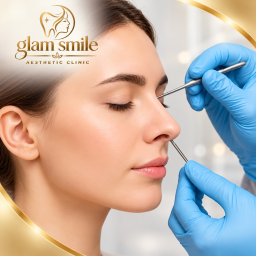
Rhinoplasty is a surgical procedure that reshapes the nose to improve its appearance, function, or both. Although many patients achieve their desired results after their first surgery, some may remain dissatisfied or experience breathing difficulties that require further correction.Revision rhinoplasty is a secondary procedure performed to address concerns that remain after an initial nose surgery.For individuals considering Rhinoplasty in Islamabad, understanding the appropriate waiting period before revision surgery is essential for achieving safer and more predictable results.In most cases, surgeons recommend waiting at least 12 months after the initial rhinoplasty before considering revision surgery. However, some patients may need to wait 18 months or longer, depending on healing, swelling, scar formation, and the complexity of the correction required. The final decision should always be made following an individual assessment by an experienced rhinoplasty surgeon.
What Is Revision Rhinoplasty?
Revision rhinoplasty, also known as secondary rhinoplasty, is a surgical procedure performed to correct or improve the results of a previous nose surgery.The procedure may address cosmetic concerns, structural problems, or functional complications that were not fully resolved during the first operation.Unlike primary rhinoplasty, revision surgery can be more challenging because the nasal tissues have already undergone surgical changes. Scar tissue, altered cartilage, and reduced structural support may make the procedure more complex.Common reasons patients consider revision rsurgeon must carefully evaluate these concerns before recommending another operation.
How Long Should You Wait Before Revision Rhinoplasty?
The appropriate waiting period depends on how your nose heals after the initial procedure.Although early swelling may improve within weeks or months, deeper tissues can take considerably longer to settle. Operating too soon may interfere with the healing process and make it difficult for the surgeon to accurately assess the final nasal structure.
Why Is Waiting at Least 12 Months Important?
Most rhinoplasty surgeons recommend waiting approximately 12 months before undergoing revision surgery because:Swelling needs time to resolveAfter rhinoplasty, swelling can remain around the nasal tip and bridge for several months. The nasal tip often takes longer to settle than other areas.Waiting allows the surgeon to distinguish between temporary swelling and permanent structural concerns.car tissue develops as part of the body's natural healing process. Over time, it gradually becomes more stable.Operating before the tissues have sufficientlyhealed may increase surgical difficulty and complicate the revision process.Cartilage, bone, and surrounding soft tissues require time to settle into their new positions.A surgeon needs to evaluate the healed nasal structure before deciding which corrections are necessary.Patients sometimes notice temporary irregularities during recovery that improve naturally.Waiting provides aclearer picture of the final outcome and helps prevent unnecessary additional surgery.
Can Some Patients Need to Wait Longer?
Yes. While 12 months is a common minimum, some patients may benefit from waiting 18 months or longer.ssess the condition of the nasal tissues rather than relying on a fixed timeline alone.
What Are the Signs That You May Need Revision Rhinoplasty?
Not every irregularity after rhinoplasty requires another operation. Some changes are temporary and improve as swelling decreases.However, certain persistent concerns may indicate that a revision consultation is appropriate.
Persistent Nasal Asymmetry
If the nose remains noticeably uneven after the healing period, a surgeon may assess whether the problem is related to cartilage positioning, bone structure, or scar tissue.
Breathing Difficulties
Some patients experience nasal obstruction following their initial surgery. This may result from structural changes, internal scarring, or narrowing of the nasal airway.A specialist can evaluate the cause and determine whether corrective surgery is necessary.
Unsatisfactory Nasal Tip Shape
The nasal tip may appear too wide, pinched, drooping, or overly lifted after the first procedure. If the concern persists after adequate healing, revision may be considered.
Irregularities on the Nasal Bridge
Some patients develop visible bumps, depressions, or uneven contours after rhinoplasty. These concerns may be related to bone healing, cartilage changes, or surgical adjustments.
Loss of Nasal Support
Excessive removal or weakening of cartilage can affect the structural support of the nose. In some cases, reconstruction may be required to restore a more stable shape and improve breathing.
How Is Revision Rhinoplasty Performed?
Revision rhinoplasty is a personalised procedure designed to correct specific concerns from an earlier nose surgery.The exact technique depends on the patient's nasal structure, previous surgical changes, and desired improvements.
Initial Consultation and Examination
The surgeon reviews the patient's medical history, previous surgical records, and current concerns.A physical examination helps evaluate nasal symmetry, cartilage support, skin condition, and breathing function. Photographs and imaging may also be used when appropriate.
Choosing the Surgical Technique
There are two main approaches to rhinoplasty:Open revision rhinoplastyThis approach involves a small incision across the columella, the tissue separating the nostrils, along with incisions inside the nose. It allows the surgeon to examine the underlying nasal structures directly.It may be useful for complicated revisions involving cartilage reconstruction or significant structural changes.Closed revision rhinoplastyevision procedures sometimes require additional cartilage to rebuild or strengthen the nose.depends on the amount of structural support required and the patient's previous surgical history.Closing and Postoperative CareAfter the necessary corrections, the surgeon closes the incisions and may apply a nasal splint to support the nose during early healing.Patients receive instructions regarding wound care, medication, activity restrictions, and follow-up appointments.
What Are the Benefits of Revision Rhinoplasty?
When appropriately planned and performed, revision rhinoplasty may offer several benefits.Improved nasal appearance: It can address persistent irregularities, asymmetry, and concerns about nasal proportions.Better breathing function: Functional corrections may help improve airflow when obstruction is caused by a surgically correctable structural problem.estored nasal support: Cartilage grafting may help strengthen areas that have become weakened following previous surgeryImproved facial balance: Adjusting the nose may create better harmony between nasal features and the rest of the face.reater satisfaction: Correcting a specific concern may help patients feel more comfortable with their appearance.However, revision rhinoplasty cannot guarantee perfect symmetry or a particular cosmetic result. The outcome depends on existing anatomy, tissue condition, surgical limitations, and individual healing.
Who Is a Suitable Candidate for Revision Rhinoplasty?
Not everyone who is unhappy with their initial rhinoplasty is immediately suitable for another procedure.A surgeon must evaluate both physical healing and the patient's expectations.Potential candidates generally include individuals with active infections, uncontrolled medical conditions, or insufficient healing may need additional treatment or a longer waiting period before surgery.A detailed consultation is necessary to determine individual suitability.
Recovery After Revision Rhinoplasty
Recovery after revision rhinoplasty can be similar to or more complicated than recovery after primary rhinoplasty. The experience depends on the extent of reconstruction and the condition of the nasal tissues.
First Week After Surgery
Patients may experience swelling, bruising, nasal congestion, and mild discomfort. A nasal splint may remain in place during the initial healing period.
Two to Four Weeks
Bruising and noticeable swelling generally begin to improve. Many patients can gradually return to routine activities according to their surgeon's instructions.
Three to Six Months
The nose continues to settle, although swelling may remain, particularly around the tip.
Twelve Months and Beyond
More significant healing becomes apparent, but subtle changes can continue beyond the first year, especially after complex revision surgery.Patients should attend scheduled follow-up appointments and avoid activities that could injure or put pressure on the nose.
Possible Risks and Complications of Revision Rhinoplasty
Like any surgical procedure, revision rhinoplasty carries potential risks. These should be discussed with the surgeon before treatment. surgery may be more technically demanding than the first operation because scar tissue can alter normal tissue planes and previously used cartilage may no longer be available.Selecting a suitably qualified surgeon and following postoperative instructions can help manage risks, although complications cannot be completely eliminated.
Important Considerations Before Scheduling Revision Rhinoplasty
Before deciding on another nose surgery, patients should consider several important factors.
Review Your Previous Surgery
Bring previous surgical records, photographs, and details of the original procedure to your consultation. This information can help the surgeon understand what changes were made.
Understand Your Treatment Goals
Identify the specific concerns you want addressed, whether they involve appearance, breathing, or both.
Choose an Experienced Surgeon
Revision rhinoplasty requires an understanding of nasal anatomy, cartilage reconstruction, and scarred tissues. Ask about the surgeon's qualifications and experience with secondary procedures.
Discuss Realistic Expectations
Revision surgery aims to improve specific concerns, but it may not achieve perfection. Existing tissue limitations can affect the final result.
Follow Medical Advice
Do not rush into surgery because of temporary swelling or dissatisfaction during early recovery. Your surgeon should determine the appropriate timing after examining your nose.
Why Consider Glam Smile Clinic for Rhinoplasty Consultation?
Choosing the right clinic and surgical professional is an important part of planning any cosmetic procedure. Patients considering primary or revision nose surgery should prioritise proper assessment, specialist qualifications, patient safety, and realistic treatment planning.At Glam Smile Clinic, individuals exploring cosmetic and aesthetic treatments can discuss their concerns and seek guidance about appropriate treatment options.If you are considering revision rhinoplasty, ask about the surgeon's experience with secondary nose surgery, available surgical techniques, expected recovery, potential risks, and the limitations of corrective treatment.A thorough consultation can help you understand whether another procedure is appropriate or whether additional healing time would be more beneficial.
Frequently Asked Questions (FAQs)
Can I Get Revision Rhinoplasty Six Months After My First Nose Surgery?
In most cases, six months is too early for revision rhinoplasty. Swelling and scar tissue may still be changing. Surgeons generally recommend waiting at least 12 months, although some patients may need 18 months or longer.
Is Revision Rhinoplasty More Complicated Than the First Surgery?
Yes. Revision rhinoplasty is often more complicated because the surgeon must work with previously operated tissues, scar formation, and potentially reduced cartilage. Additional cartilage grafting may be necessary to rebuild nasal support.
Will Revision Rhinoplasty Improve My Breathing?
It may improve breathing if the problem is caused by a correctable structural issue, such as nasal valve narrowing or internal deformity. A specialist examination is necessary to identify the underlying cause.
How Long Does It Take to Recover From Revision Rhinoplasty?
Initial recovery generally takes a few weeks, but complete healing can take 12 months or longer. Swelling around the nasal tip may take additional time to settle, particularly after complex revision procedures.
Can Revision Rhinoplasty Be Performed More Than Once?
Yes, additional revision procedures are possible. However, each subsequent operation can become more complicated because of scar tissue, reduced cartilage availability, and changes in nasal anatomy. Further surgery should only be considered when the expected benefits justify the risks.
Conclusion
Revision rhinoplasty can help correct cosmetic irregularities and functional problems that remain after an initial nose surgery. However, choosing the right time for another procedure is essential for achieving the best possible outcome.Most patients should wait at least 12 months before considering revision rhinoplasty, while some may require 18 months or longer for complete healing and tissue stabilisation. A detailed examination by an experienced surgeon helps determine whether the concerns are permanent and whether another operation is appropriate.If you are considering Rhinoplasty in Islamabad or want to explore corrective options after a previous nose surgery, consult Glam Smile Clinic to discuss your concerns, understand available treatment approaches, and receive professional guidance.